
Five essential tips for driving on ice and one secret tip!
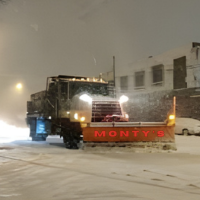
- Slow Down and Drive Gently: Of the Five essential tips for driving on ice, the most important rule for Winter weather driving is to reduce your speed significantly and make all your inputs (steering, braking, accelerating) as smooth and gradual as possible. Sudden movements can easily cause a skid
2. Increase Following Distance:
On icy roads, your stopping distance can be ten times greater than on dry pavement. Leave a large buffer between your vehicle and the one ahead of you to ensure you have plenty of room to stop safely
3. Learn to Brake Safely:
- If you have ABS: Apply firm, continuous pressure to the brake pedal and let the system work (you may feel pulsing).
- If you do not have ABS: Gently pump the brakes to avoid locking the wheels and losing steering control
Get your car ready for winter with an emergency kit
4. Steer into a Skid (Counter-Steering):
If your car begins to skid, resist the urge to slam on the brakes. Instead, ease off the accelerator and steer gently in the direction you want the front of the car to go (the direction of the skid). This helps the tires regain traction
5. Look Far Ahead:
Plan your route and anticipate potential hazards, such as bridges (which freeze faster than regular roads), shaded areas, and upcoming turns. By looking ahead, you give yourself more time to react and adjust your speed gradually
Stay warm in an emergency >>>>>>>
And now the "Secret (not so secret) Tip"
The secret to driving on ice is to "drive like you have an egg under the accelerator pedal"
This mental image forces you to be incredibly gentle with your acceleration. Your goal is to apply power so slowly and smoothly that the “egg” never breaks. This prevents the wheels from spinning and losing traction, which is a common cause of skids when starting from a stop or accelerating out of a turn