
How to Tell if Your Car Battery is Dying: 5 Warning Signs and When to Replace It
When you turn your key or push the start button, you expect a roar, not a whimper. But like all things under the hood, car batteries have a finite lifespan. In 2026, with vehicles becoming increasingly reliant on complex electronics, a healthy battery is more critical than ever.
Here is how to determine if your battery is on its last legs before it leaves you stranded.
1. The “Tell-Tale” Physical Signs

Sometimes, you don’t even need to start the car to know something is wrong. Pop the hood and look for these red flags
- Corrosion: Look for a white, ashy, or blue-green powdery substance on the metal terminals. This “crust” acts as an insulator, preventing power from flowing into your car’s electrical system.
- The Rotten Egg Smell: If you catch a whiff of sulfur (like rotten eggs or a sewer), your battery is likely leaking sulfuric acid. This is a safety hazard and requires immediate replacement.
- The “Bloated” Battery: Exposure to extreme heat or overcharging can cause the battery case to swell or bulge. If your battery looks like it’s had a big meal, it’s structurally compromised.
More Bad Battery Warning Signs:
2. Behavioral Warning Signs
Your car will often “talk” to you through its performance. Watch for these common symptoms:
The Slow Crank: If the engine takes longer than usual to turn over—sounding sluggish or “labored”—the battery isn’t providing enough cold cranking amps (CCA).


Dim Lights & Electrical Gremlins: Are your headlights flickering? Do the power windows move like they’re stuck in molasses? When a battery is weak, it struggles to power the radio, heated seats, and dashboard lights simultaneously.
Frequent Jump Starts: If you’ve had to jump-start your car more than once in the last month, the battery is no longer holding a charge.
3. The Rule of Three (to Five)
Most lead-acid car batteries last between 3 and 5 years.
Check the Date: Look for the manufacturing sticker on the battery. If it’s over 4 years old, you are on borrowed time.
Climate Matters: In regions with extreme heat, batteries might fail closer to the 3-year mark, as heat evaporates internal fluids faster than cold does.

4. Testing at Home (The Multimeter Test)
If you want to be scientific about it, you can use a digital multimeter.
| Voltage Reading | Battery Status |
| 12.6V or higher | Fully charged and healthy |
| 12.2V to 12.4V | Partially discharged; needs charging/testing |
| Below 12.0V | Effectively dead or failing |
Pro Tip: Most modern cars won’t even try to start if the voltage is below 11.8V, as the sensitive electronics require a stable power floor to function.
Where to Get Help: Monty's Auto Parts and Repair
When the tests show it’s time for a change, you need a source you can trust. Monty’s Auto Parts and Repair is your best place to get a new battery! Whether you’re a DIY enthusiast or just want the job done right, we have you covered:
Cash and Carry: Stop in and grab the battery you need to take home and install yourself.
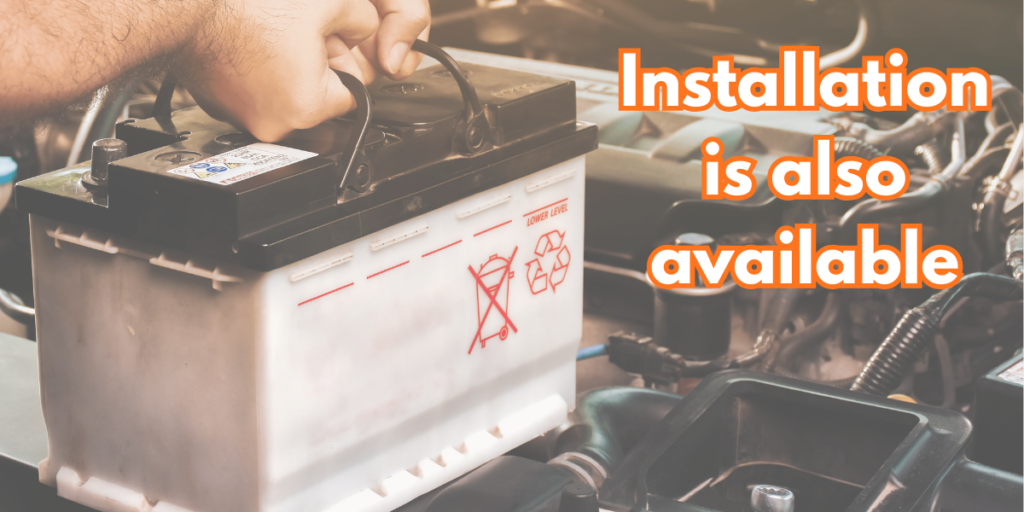
Professional Installation: Not comfortable under the hood? Have us install it for you! Our expert technicians will ensure a clean, secure connection so you can drive away with total peace of mind.